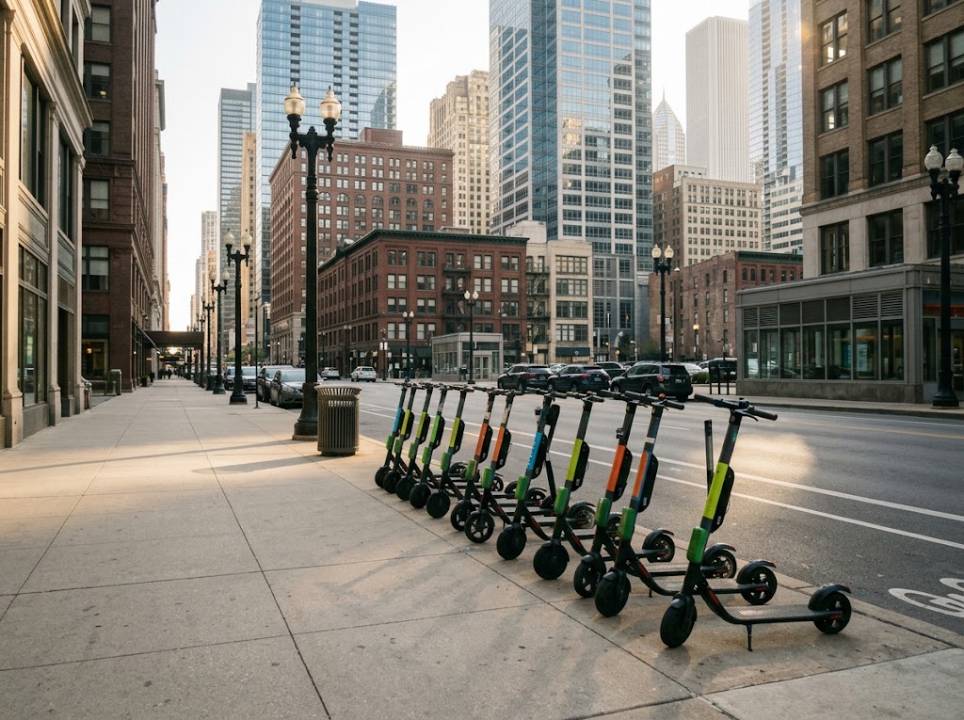
How Mobile Apps Are Changing Scooter and Bike Travel in Cities
- May 30, 2024· Article by Maria Jones
- Business , mobile app development
A decade ago, getting around a big city meant a bus pass, a taxi or a car. Today many people unlock a scooter or bike with a phone, ride a few blocks and leave it behind. The vehicle is only half of the service. The app is the other half, and it decides whether a rider comes back.
For companies building transport apps in cities such as Chicago, the real challenge is not the technology alone. It is making the app simple enough for a stranger to use in thirty seconds, in any language they happen to speak. This article looks at what matters most.
The Rise of Micromobility
Small, light vehicles for short trips are often grouped under the name micromobility. They fill the gap between walking and public transport, and they work best when the booking process is almost invisible. A rider should be able to find a vehicle, unlock it and start moving without reading a manual.
Every extra tap loses customers. Teams that study the first ninety seconds of the user journey often find the biggest improvements there.
What Riders Expect From the App
People expect accurate maps, clear prices, quick unlocking and a simple way to end a trip. They also expect to see battery levels, parking rules and safety reminders without scrolling through long text. Notifications should be useful and rare, not constant.
Payment is another point of trust. Show the total cost before the ride starts, explain deposits and refunds in plain words, and make receipts easy to find.
Cities Are Multilingual, and Apps Should Be Too
Large cities are home to residents, commuters and visitors who speak many languages. A tourist who cannot read the instructions will not take the risk of riding, and a resident who speaks little English may avoid the service entirely. Offering the interface in several languages widens the audience and reduces support questions.
Start with the languages most common in your service area, then add more as data shows demand. Keep the text short, consistent and tested on real screens, because translated labels are often longer than the originals.
Support When Something Goes Wrong
Problems happen: a vehicle will not unlock, a charge looks wrong or a rider is unsure about a rule. In those moments, language can become a barrier. A rider who is stressed on the street needs help immediately, not a ticket that takes two days. Many operators solve this with interpreting services that connect support agents with customers in their own language by phone or video.
Even a small pool of multilingual staff, supported by an interpreter on demand, can handle most calls. It also shows riders that the company takes them seriously.
Safety Messages That Everyone Understands
Helmet advice, speed limits, sidewalk rules and parking zones must be understood at a glance. Use icons alongside text, and keep sentences short. Translate safety content with extra care, because a vague phrase can lead to accidents or fines.
Short tutorials work well. A thirty-second animated guide shown on first use is more effective than a long terms page that nobody reads.
Video Tutorials and Voice Guidance
Many apps now include video guides and spoken instructions. These need scripts, recording and timing in each language. If you are planning narrated clips for different markets, this overview of voice-over and audio transcription explains how recordings are prepared and handled.
Choose voices that match the tone of the brand, friendly and clear rather than formal or rushed.
Weather, Seasons and Local Habits
Chicago riders face winter ice and summer storms, and an app should adapt. Seasonal notices, temporary service pauses and safety tips for wet streets help people make better decisions. Show these messages in every supported language so nobody is left guessing.
Onboarding for First-Time Riders
The first ride decides whether a customer stays. A short onboarding flow with a practice screen, a clear explanation of where to ride and a reminder about parking rules reduces mistakes. Keep the steps few, and let users skip what they already know.
Data, Privacy and Trust
Location data is sensitive. Tell users in plain language what is collected, why and for how long. Privacy notices must be accurate in every language you offer, and consent screens should be easy to understand. Trust is hard to earn and easy to lose.
Working With the City
Operators depend on good relationships with city authorities. Permits, parking rules and safety requirements change often, and the app should reflect them. Provide clear notices when rules change, and make complaint channels simple for residents who are not riders.
Measuring Success
Track more than downloads. Look at the share of new users who complete a first ride, the number of rides per active user, support contacts per hundred trips and ratings by language group. If one language shows more confusion, review its texts.
Looking Ahead
Transport apps will keep evolving, with better routing, integrated payments and links to public transit. The companies that grow fastest will be those that treat clarity as a feature. A simple app in the rider's own language is the best form of marketing.
Language help is also starting to move beyond phone lines and apps. Wearable tools that listen to speech and show a translation in front of the wearer’s eyes point to how translation and interpreting services could support travellers and front-line staff in real time. For a visitor trying to rent a bike, ask for directions or sort out a problem in an unfamiliar city, that kind of instant help removes much of the stress. It will not replace human interpreters where accuracy really matters, but it shows where everyday language support is heading.