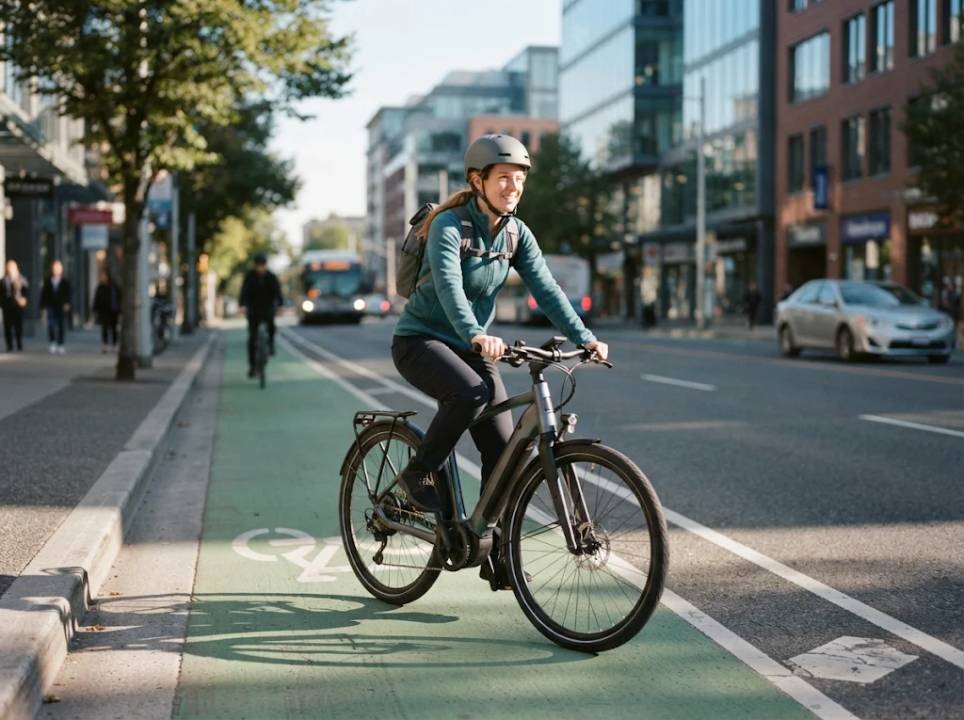
Bicycles have been around for two centuries, yet they are going through their biggest change since the invention of the chain drive. Electric motors have made hills shorter, headwinds gentler and commutes longer than most people would have imagined on a traditional bike. At the same time, classic bikes remain light, simple and inexpensive, and many riders would never trade them. Choosing between a regular bicycle and an e-bike depends on distance, terrain, budget and how you plan to use it, and this guide helps you decide with confidence.
How E-Bikes Actually Work
An electric bicycle has a battery, a motor and a controller that adds power when you pedal. In most European countries the assistance cuts off at 25 kilometers per hour, and the motor power is limited by law, which keeps these machines in the bicycle category. Some models offer throttles or higher speeds, but those may need registration, insurance and a license.
Motors sit either in the front wheel, the rear wheel or the crank. Crank motors feel the most natural and balance weight well, while hub motors are usually cheaper and simpler.
Who Benefits Most From an E-Bike
People with long commutes, hilly neighborhoods or physical limitations often find an e-bike life-changing. Parents carrying children or shopping, delivery workers and older riders also gain a lot. For many commuters, arriving at work without sweat is the main advantage, and it can replace a car for trips of up to fifteen kilometers.
Riders who enjoy training and want maximum simplicity may prefer a classic bike, which is lighter and has fewer parts that can fail.
Battery Range and Charging
Real range depends on battery capacity, assistance level, rider weight, terrain, wind and temperature. A typical battery gives between 50 and 100 kilometers on mixed routes. Cold weather reduces capacity, so store the battery indoors and charge it before long rides.
Avoid leaving the battery fully charged or fully empty for long periods, because moderate charge levels extend battery life significantly.
Price and Running Costs
E-bikes cost more than regular bicycles, with reliable models starting around one to two thousand euros. Running costs remain far below those of a car: electricity is cheap, and servicing is modest. Batteries eventually wear out after several years and cost several hundred euros to replace.
Compare the total cost over five years, including accessories, insurance and maintenance.
Choosing the Right Type
City bikes, trekking bikes, mountain bikes, folding bikes and cargo bikes each suit different uses. Try several, check frame size and test the brakes. Look for good lighting, mudguards and a sturdy rack if you plan to commute.
Visit a local shop where staff let you test ride and explain the warranty.
Safety and Rules of the Road
Wear a helmet, use lights, and keep your speed suitable for conditions. E-bikes accelerate quickly, so brake early and leave space. Learn local rules about bike lanes, pedestrians and parking. The European Cyclists Federation publishes useful guidance on cycling safety and infrastructure across Europe.
Lock your bike with a strong lock, and register the frame number with your insurer.
Buying Abroad and Reading Manuals
Many riders buy bikes from international webshops. Before ordering, check that the model meets local regulations, that spare parts are available and that the warranty covers your country. Sellers in the Netherlands and Belgium are known for quality, and customers who need english to dutch translation for manuals, warranty terms or customer service should ask providers to localize them.
Clear manuals prevent mistakes with batteries and chargers. Our article on product safety labels and manuals explains why accurate safety text matters for sellers.
Maintenance Basics
Keep tires inflated, clean and lubricate the chain, check brake pads and have the bike serviced once a year. Clean the electrical contacts gently and never use a pressure washer on the motor or battery.
Small habits protect your investment and keep you safe.
Using Bikes for Shopping and Family Trips
Cargo bikes, child seats and trailers turn a bicycle into a family vehicle. Test the handling with a load and learn how to park and lock the bike securely. Many cities now offer subsidies for cargo bikes.
Check your local council for current schemes.
Cycling for Health and Environment
Regular cycling improves heart health, mood and fitness. E-bike riders often ride more frequently and for longer distances than they would on a regular bike, which means they gain real exercise. Replacing short car trips lowers emissions and noise.
Every journey on two wheels helps your city.
Traveling With Your Bike
Check airline and train rules about batteries and bike transport, and pack the battery as required. Plan routes with charging stops, and consider renting abroad.
Preparation avoids stress at the station.
Common Buying Mistakes
Typical mistakes include choosing the wrong frame size, ignoring battery quality, skipping test rides and buying without after-sales service. Take your time, compare models and read independent reviews.
A good shop is worth a small price premium.
Final Thoughts
Whether you pick a classic bicycle or an e-bike, the best bike is the one you will ride regularly. Think about distance, terrain, budget and storage, test ride several models and buy from a reliable seller.
Enjoy the ride.
Winter Riding Tips
Cold, wet roads call for wider tires, good lights and warm clothing. Reduce your speed on slippery surfaces, and keep the battery warm before riding. Clean the bike after salty roads to prevent corrosion.
Winter cycling is comfortable with the right gear and rewarding once you get used to it.
Insurance and Theft Protection
Bikes are attractive targets for thieves. Use two locks, park in well-lit places and record the serial number and photographs. Many insurers offer specific cover for e-bikes, including theft, damage and liability.
Check the conditions carefully, especially lock requirements.
Second-Hand Bikes
Used bikes can offer good value, but check the battery health, the frame for cracks and the proof of ownership. Ask for service records and test the motor on a hill.
Avoid deals that seem too good to be true.
Charging, Storage and Battery Care in Cold Weather
Lithium batteries lose capacity in the cold, so bring the battery inside after each ride and charge it at room temperature. Never charge a frozen battery, and avoid leaving it in a hot car in summer. If you will not ride for several weeks, store it at about half charge in a dry place and check it monthly. Use only the charger supplied with the bike or an approved replacement.
These simple habits can add years to a battery that costs several hundred euros to replace.
Learning to Ride Confidently in Traffic
Take a practice session in a quiet car park before riding in busy streets. Learn to start smoothly, brake with both hands and look over your shoulder without drifting. Use hand signals, keep a safe distance from parked cars to avoid opening doors and make eye contact with drivers at junctions. A short cycling course for adults is inexpensive and often free through local councils.
Confidence grows quickly with practice, and so does enjoyment.